
Synthetic biology X Visual arts

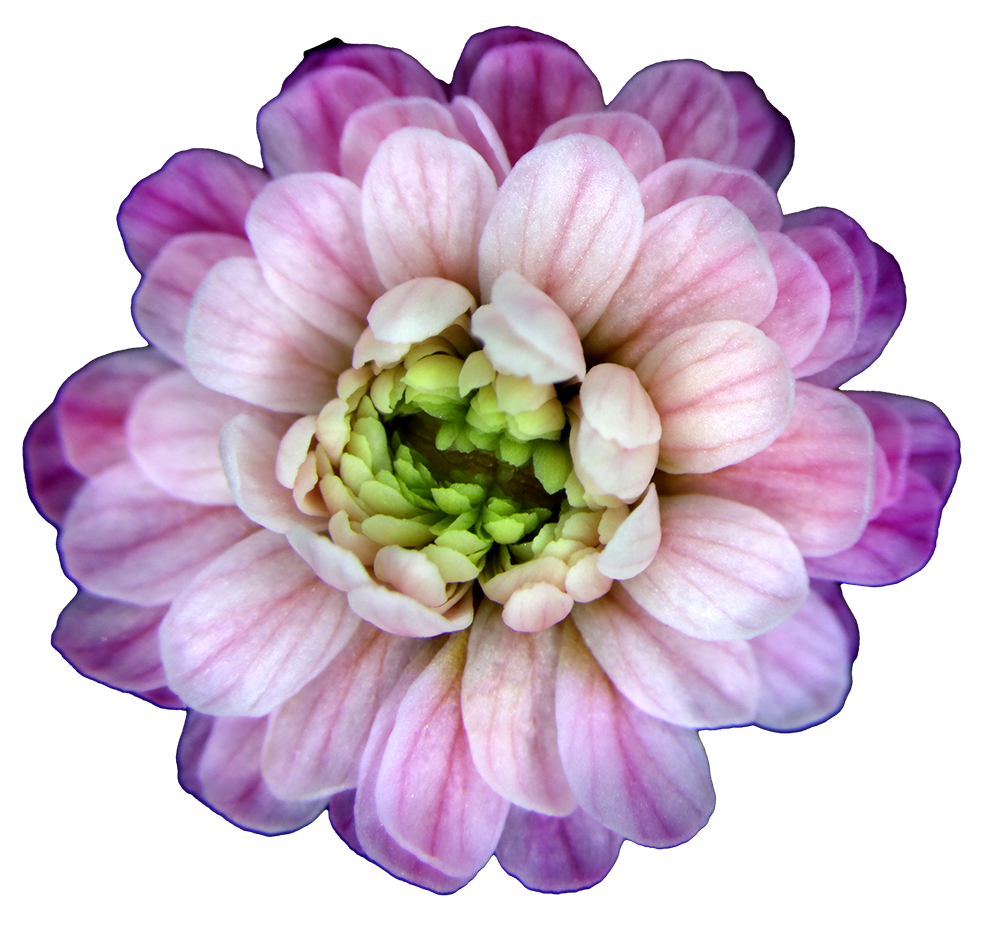

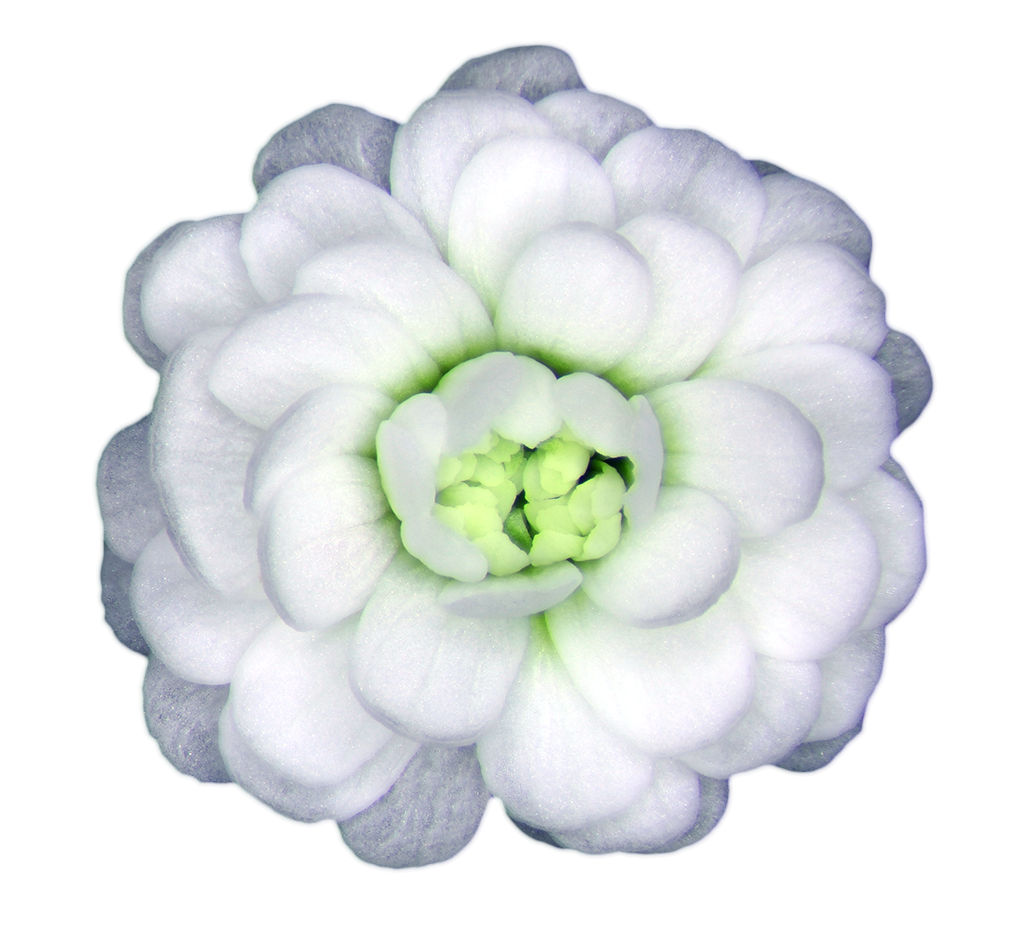
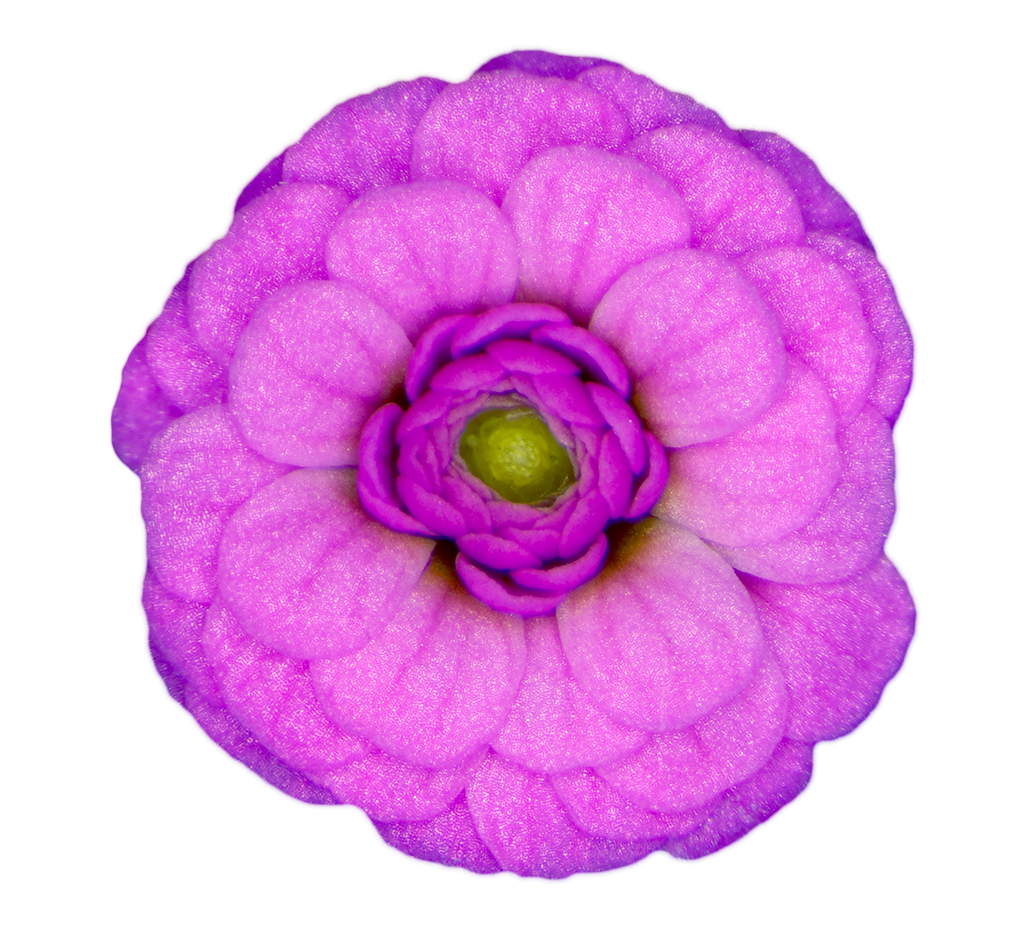
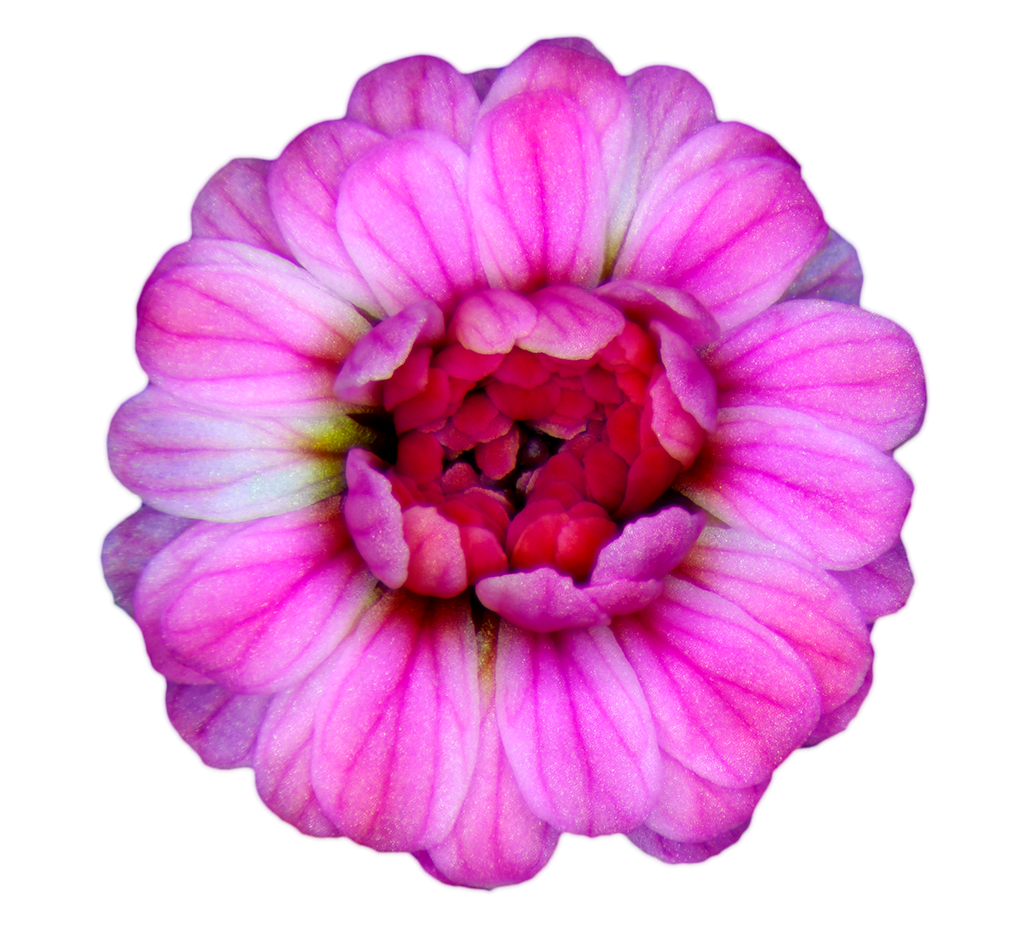
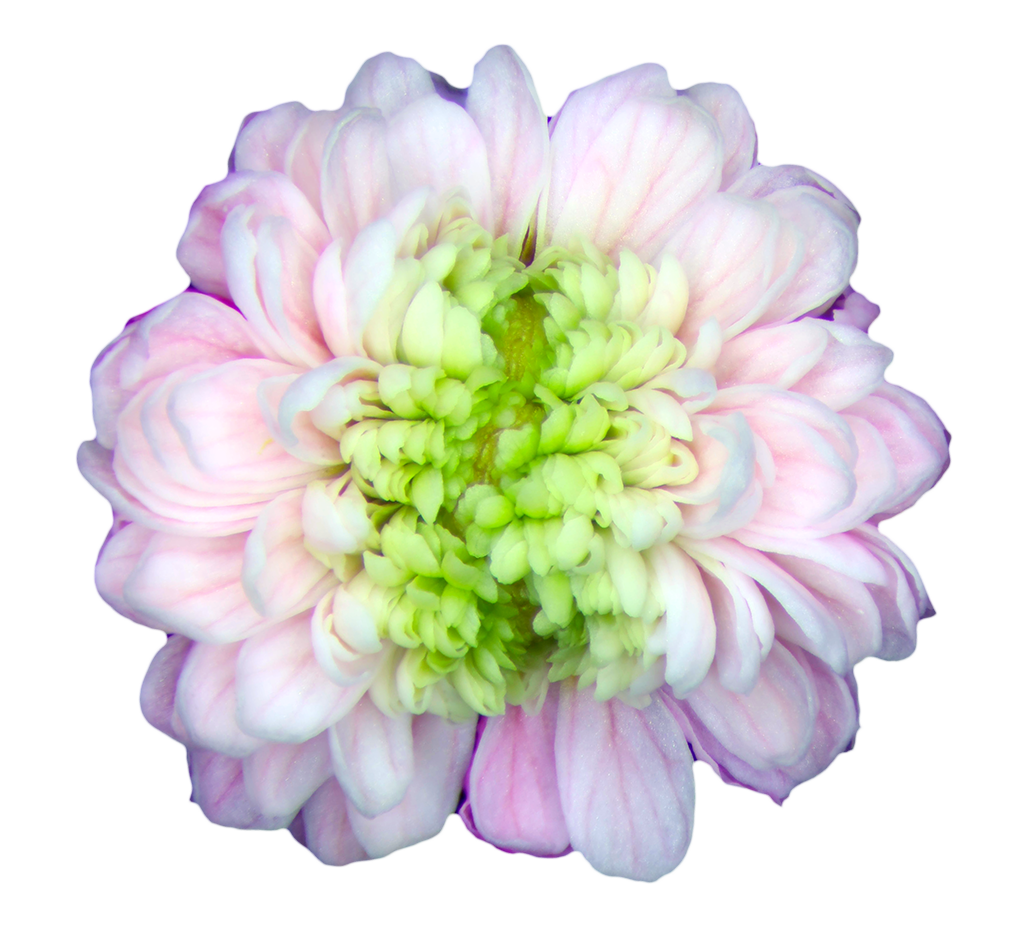
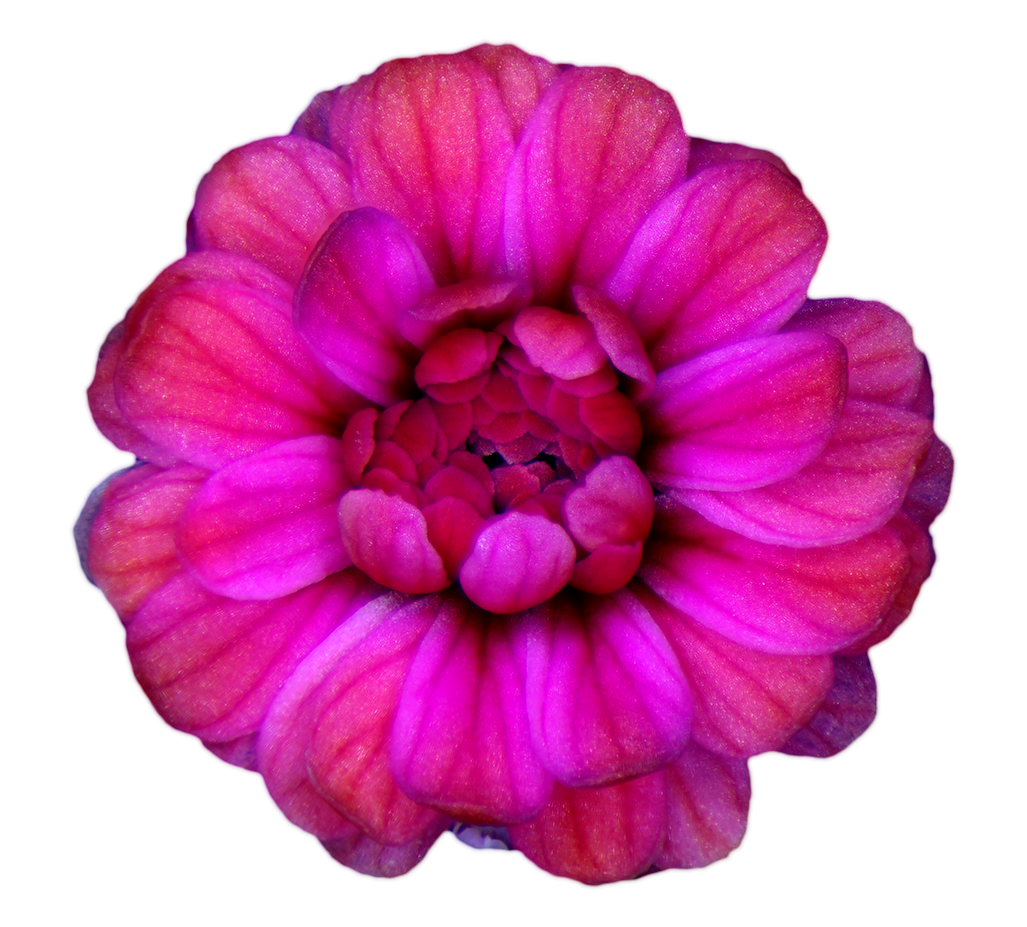
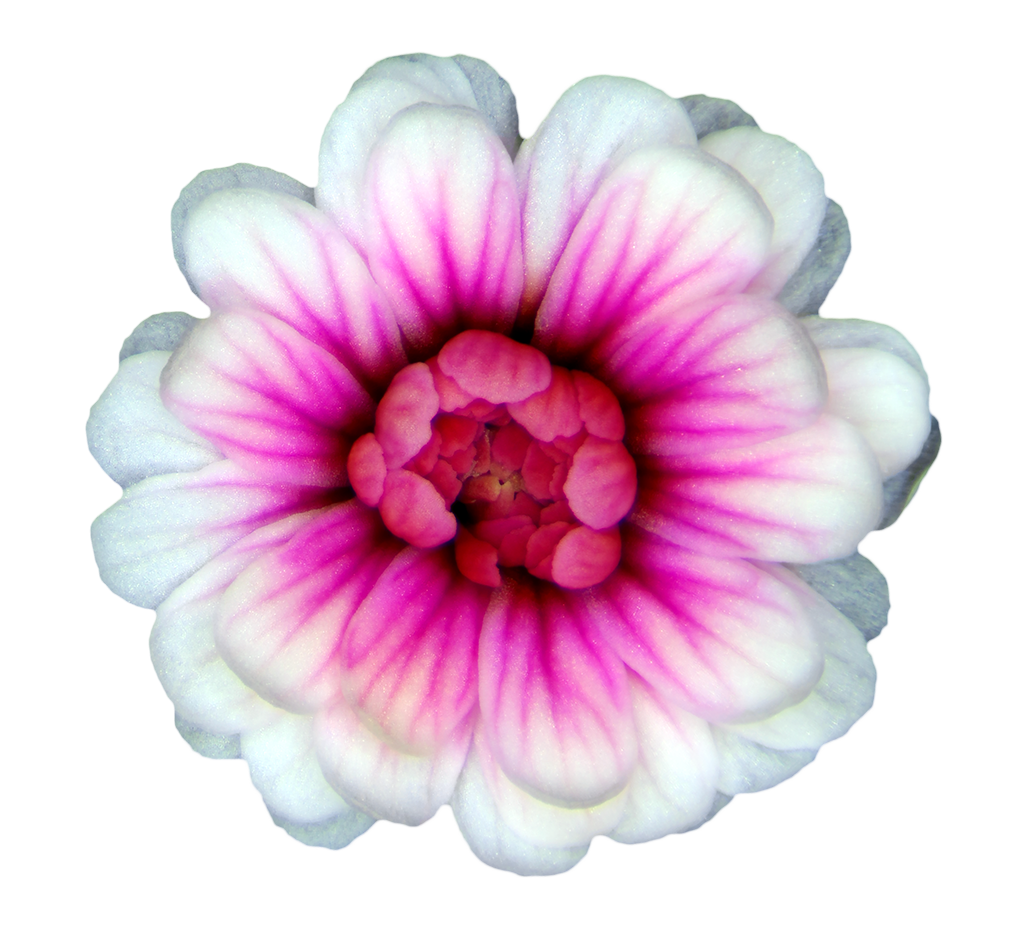
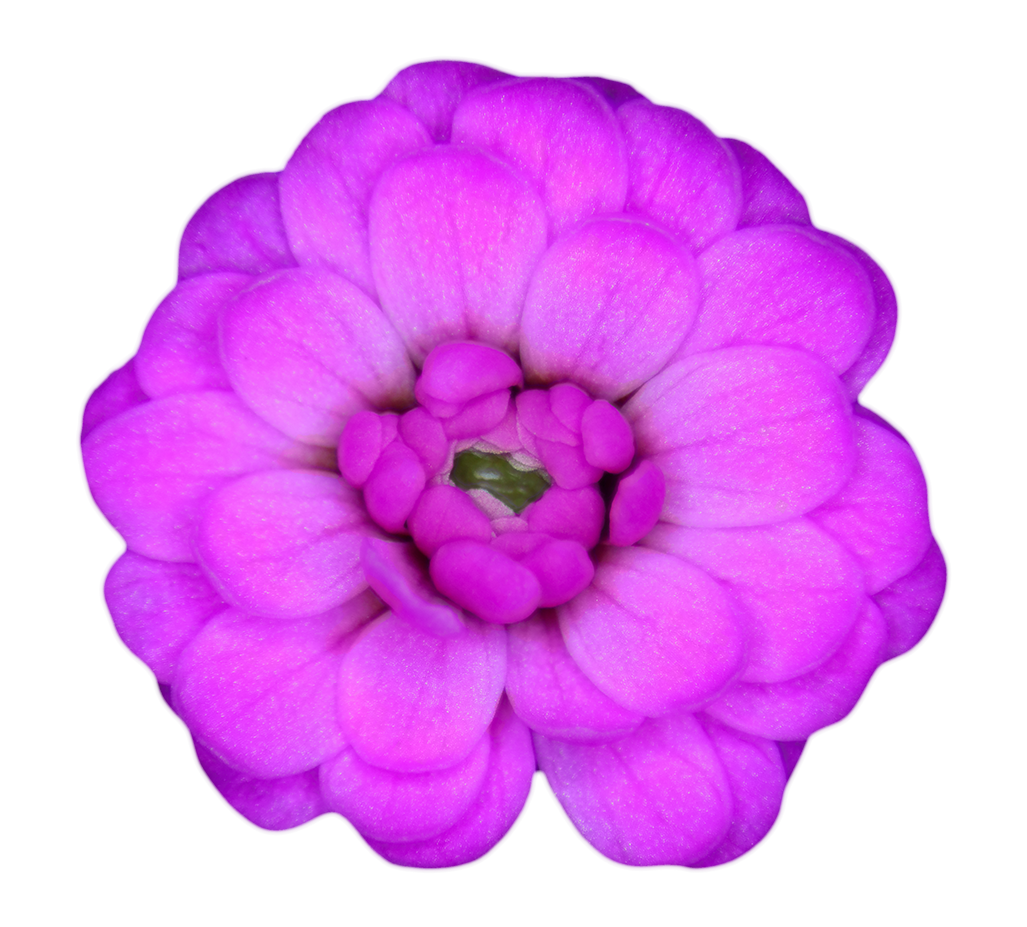
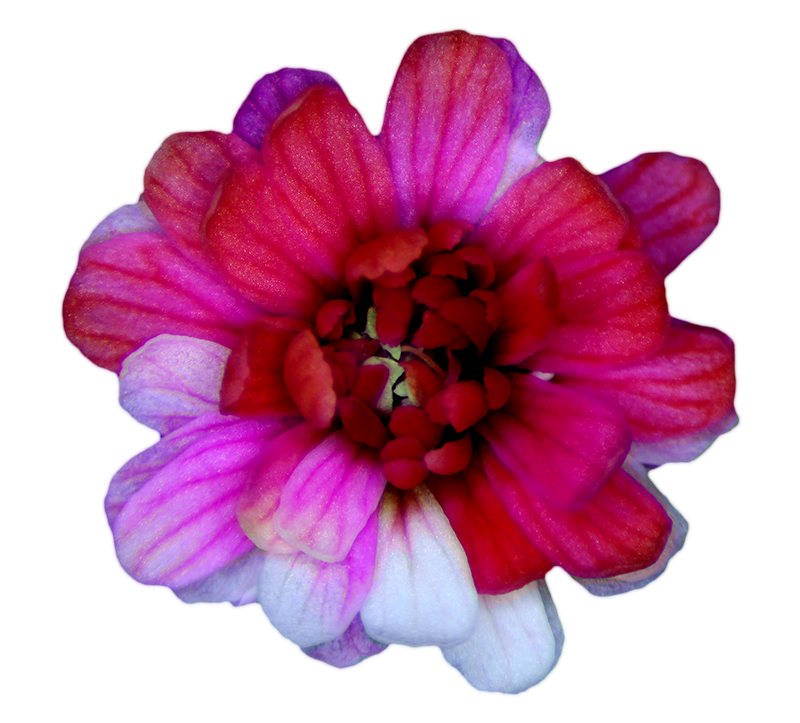
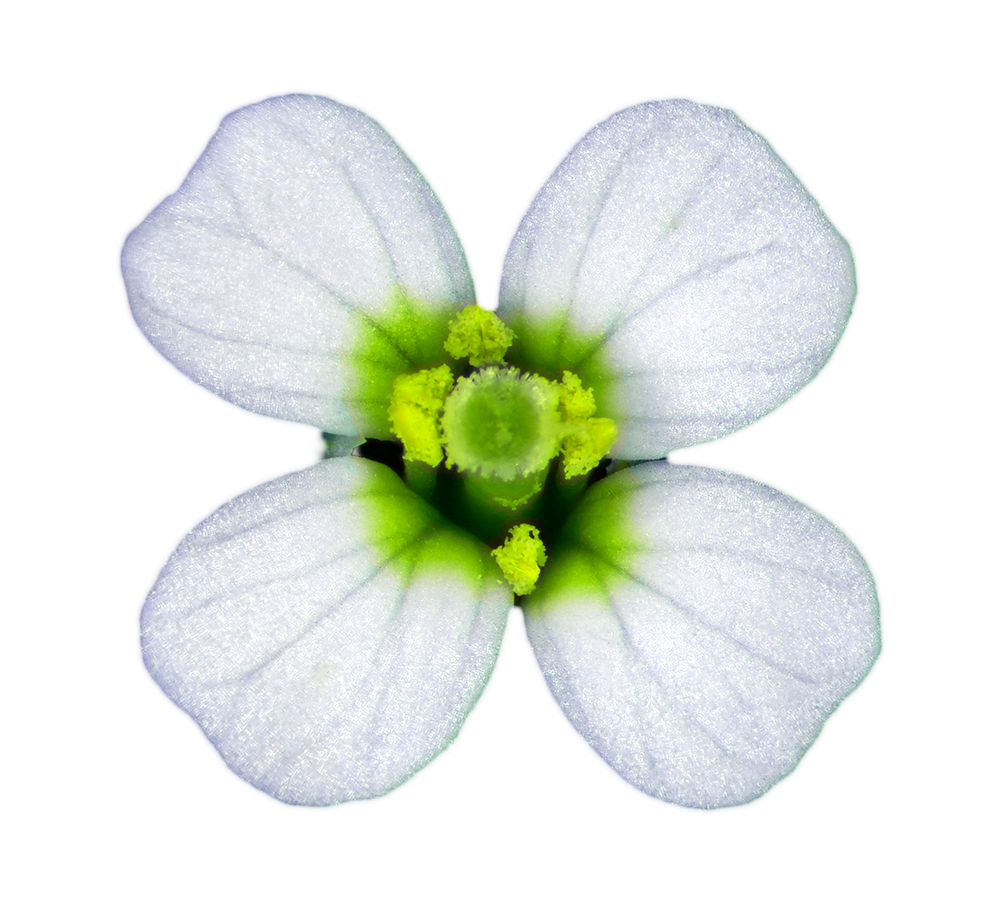
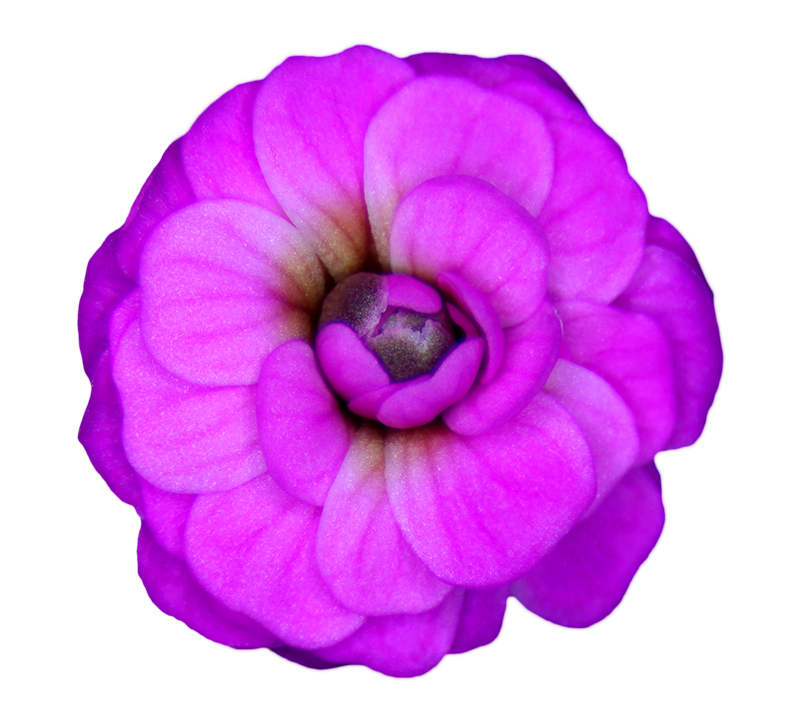
OpenFlower educates the general public and students about biotechnology through the artistic practice of flower genetic design.
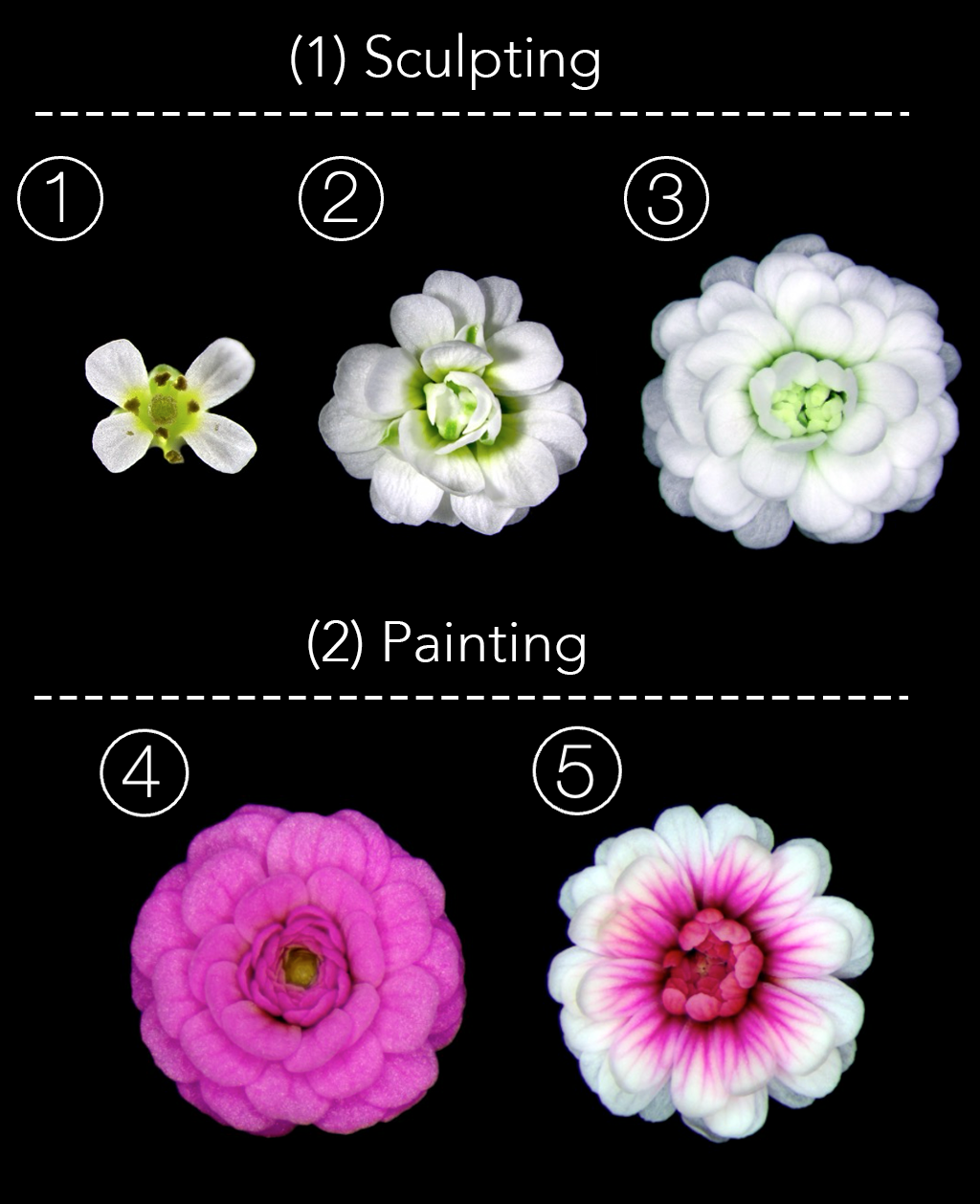
Flower genetic design consists of two principles:
(1) Genetic Sculpting: Designing the morphology and arrangement of floral organs through genetic manipulation
(2) Genetic Painting: Changing the colour and patterning of colours in the flower through genetic manipulation
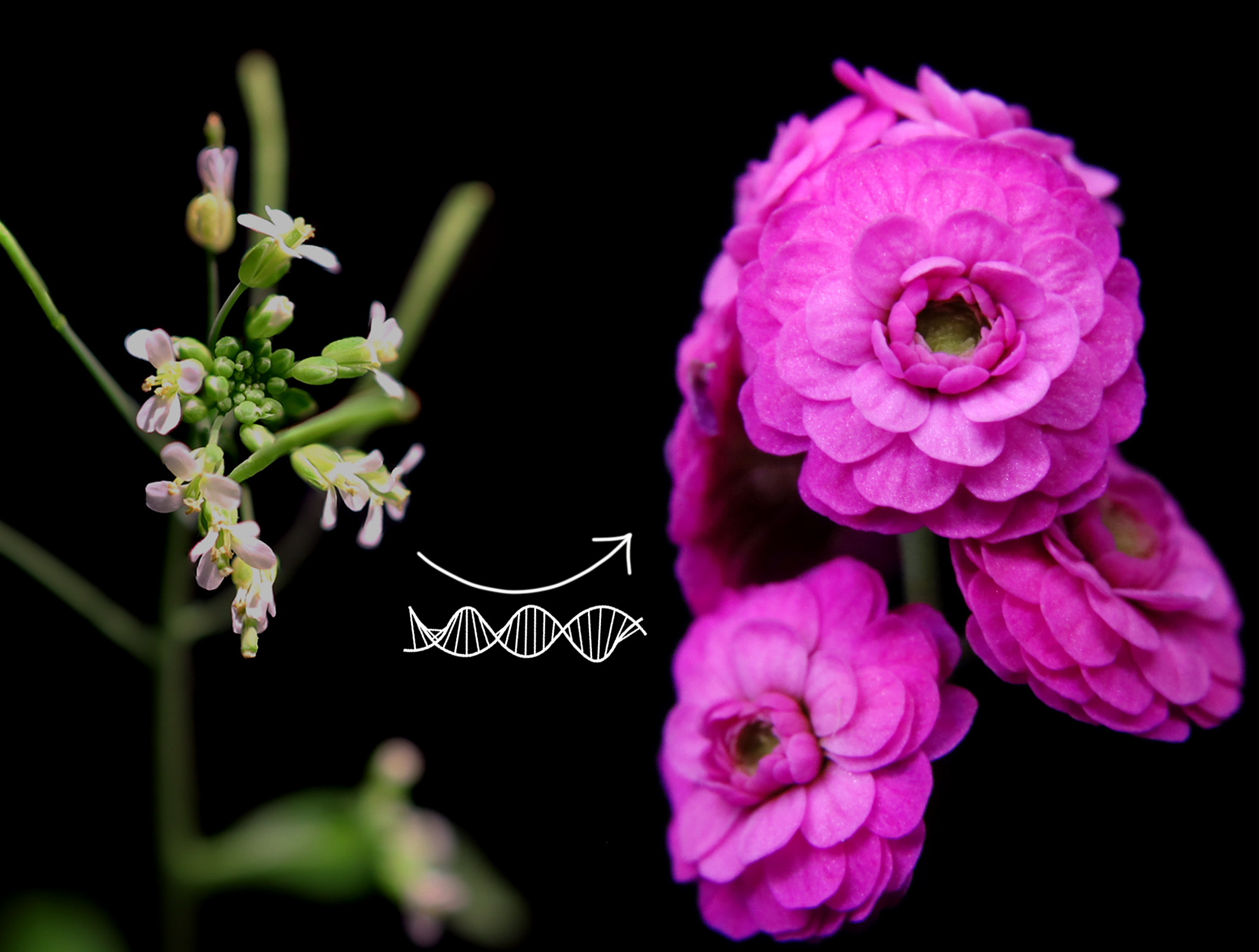
The Micro-Rose (right) is a new type of ornamental flower based on the genetic backbone of Arabidopsis thaliana.
Because of its advantages as a model organism, the Micro-Rose is excellent for exploring aesthetic uses of plant biotechnology and prototyping.
1.) Ideation: The desired flower is envisioned and DNA parts from the literature or toolkit identified in silico
2.) Cloning: The DNA parts are assembled using molecular cloning techniques and sequenced
3.) Plant Transformation: The DNA construct is put into agrobacterium which inserts it into the plant genome
4.) Selection: Plants with carrying the DNA with the desired appearance are selected for.
For details on the process please check out the guidebook
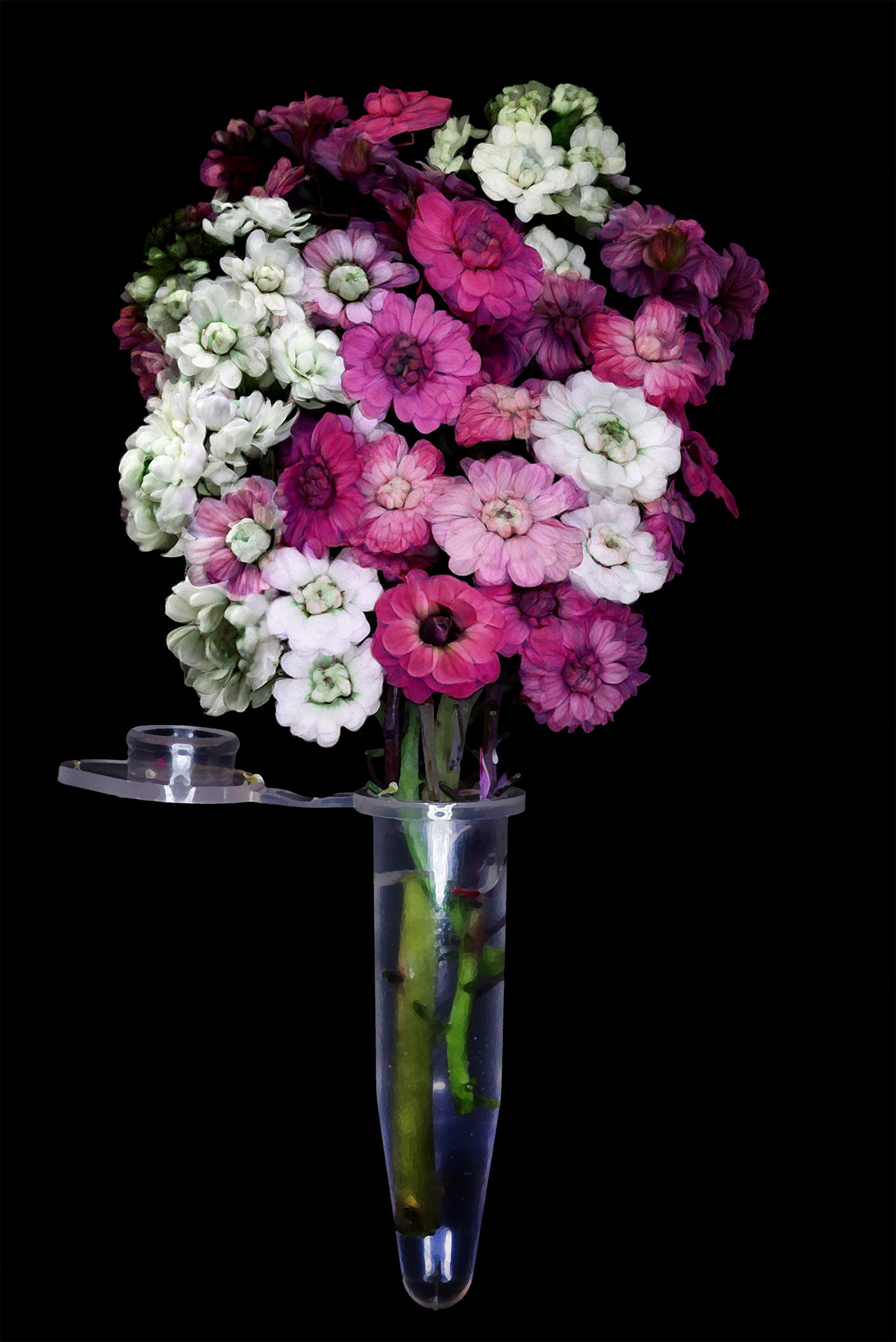

OpenFlower develops "interactive flowers" whose structure or color can be designed by environmental stimuli.
This is done using "induction systems" that trigger gene expression such as pigmentation only upon treatment such as small molecules, heat, or light.
Flower color can be programmed using genes encoding enzymes of the betalain and anthocyanin pathways or other genes which regulate pigment synthesis.
